Ground Improvement Methods: A Technical Guide for Engineers
Poor soil conditions are one of the most persistent challenges in construction. Whether you are working with loose granular fill, collapsible soils, liquefiable sands, or soft cohesive material, the bearing capacity and settlement performance of the ground beneath a structure directly determine how that structure will perform over its lifetime.
Ground improvement methods give engineers and project owners a way to address those challenges before construction begins, rather than designing around them at high cost. The range of techniques available today is broad, each with different mechanisms, cost profiles, and applicable soil types. Choosing the right one requires a clear understanding of site conditions, load requirements, timeline, and what verification looks like at the end of the scope.
This guide breaks down the primary ground improvement methods used in North American construction, explains how each works, and provides a practical framework for method selection. Whether you are specifying a technique or evaluating a contractor, this is the reference you need before you commit to an approach.
What Are Ground Improvement Methods and Why Do They Matter?
The Core Problem: Building on Poor Soils
Not every project site comes with adequate natural bearing capacity. Fills placed without compaction control, soft clays with low shear strength, liquefiable sands in seismic zones, and organic soils with high compressibility are all conditions that can cause differential settlement, structural distress, or outright failure if left unaddressed.
The traditional alternatives, deep foundations or over-excavation and replacement, are often expensive, slow, or logistically impractical. Ground improvement methods offer a third path: treating the soil in place to bring it up to the performance specification the structure requires.
When Ground Improvement Is the Right Solution
Ground improvement is typically the right call when the problematic soil layer is too deep for surface compaction, when deep foundations would require costly mobilization or are structurally unnecessary for the load profile, or when the project timeline and budget favor a treatment approach over a structural one. It is also the preferred approach when the goal is to reduce liquefaction potential in seismic zones, accelerate consolidation in soft clay layers, or bring compressible fill up to specified density.
The choice between methods comes down to site-specific variables, which is why method selection should always follow a thorough geotechnical investigation.
The Most Common Ground Improvement Methods in Use Today
Ground improvement techniques fall into several broad categories based on their primary mechanism of action. Each addresses a different set of soil conditions and project requirements.
Dynamic Compaction
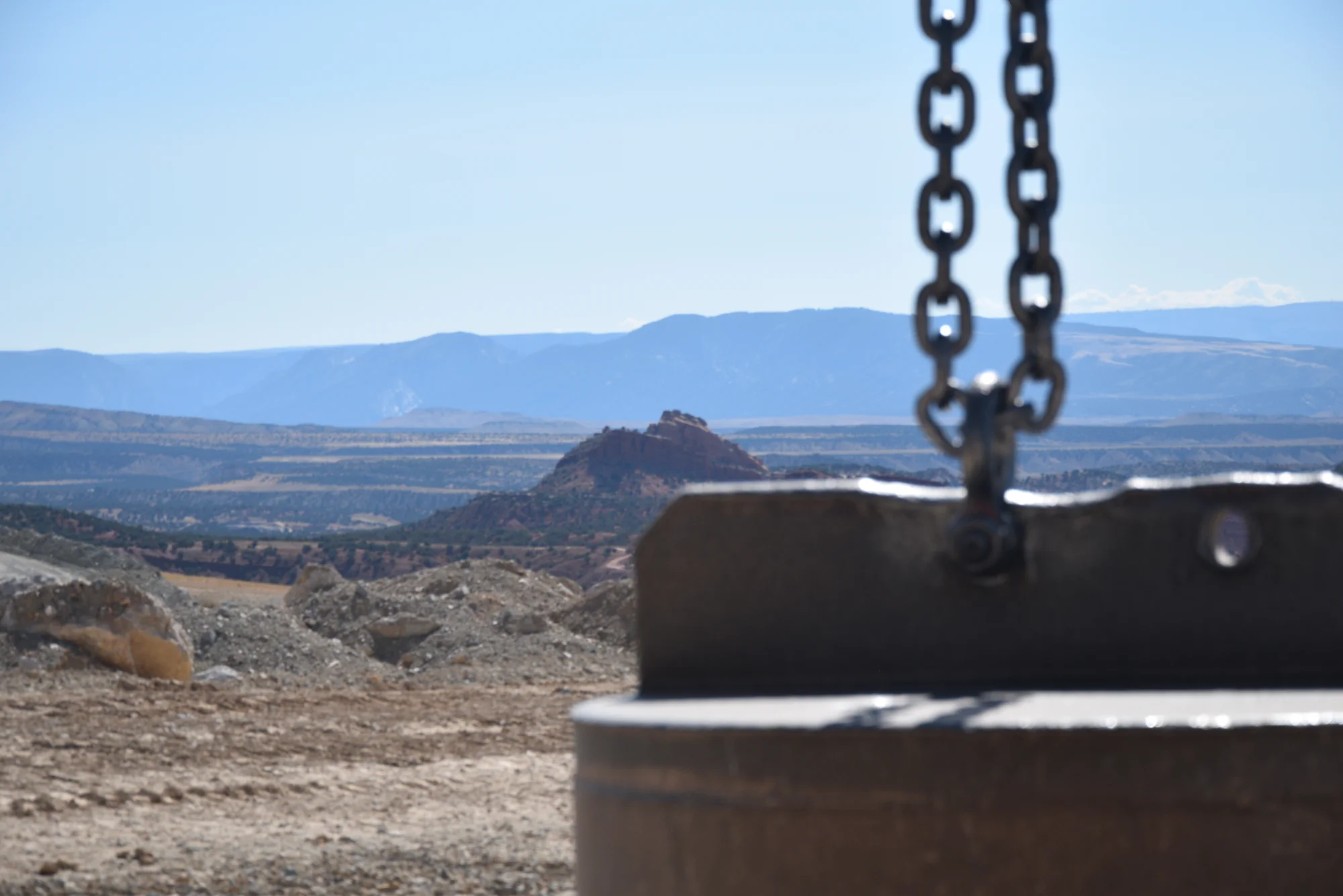
Dynamic compaction uses a large steel weight, typically between 10 and 40 metric tons, dropped from a significant height to densify granular soils through repeated high-energy impacts. The energy transmitted to the ground breaks down loose particle structure and forces soil grains into a denser, more stable configuration.
It is one of the most cost-effective methods available for granular soils and is particularly well-suited to large-area treatment, deep treatment depths, and sites where imported materials or extensive excavation would otherwise be required. We cover this method in detail in a later section of this guide.
Rigid Inclusions
Rigid inclusions ground improvement involves the installation of stiff vertical elements, typically grout columns or concrete piles, through weak soil layers to transfer structural loads to a competent bearing stratum below. Unlike traditional pile foundations, rigid inclusions are often used in combination with a load transfer platform that distributes loads across the treated zone rather than directly into each element.
This method is highly effective on soft cohesive soils where densification approaches are less applicable and where settlements need to be tightly controlled. The Deep Foundations Institute provides published design guidelines and case study data on rigid inclusion performance in a wide range of soil profiles.
Stone Columns (Vibro-Replacement)
Vibro-replacement stone columns are constructed by vibrating a probe into the ground to create a hole, which is then backfilled with compacted stone aggregate. The resulting column of densified stone provides both load-bearing capacity and drainage, accelerating consolidation of surrounding cohesive soils.
Stone columns are well-suited to soft to medium clays and silty soils where drainage-assisted consolidation is needed alongside improved load transfer. They are commonly specified for embankments, tank farms, and low-rise structures on soft ground.
Wick Drains and Surcharge
Prefabricated vertical drains, commonly called wick drains, are installed through soft cohesive soil to provide drainage pathways that accelerate consolidation under applied surcharge load. The surcharge, a temporary fill placed over the treatment area, compresses the soil and forces pore water out through the drain network.
This method is passive in nature and requires time, but it can be highly economical on large sites where the project schedule allows for a consolidation period before construction. It is often combined with other methods when faster treatment is required.
Grouting and Chemical Stabilization
Grouting encompasses several techniques including permeation grouting, compaction grouting, and jet grouting, each of which uses an injected material to fill voids, displace soil, or create cemented columns in place. Chemical stabilization, including lime and cement treatment, alters the engineering properties of fine-grained soils through chemical reaction rather than mechanical densification.
These methods are particularly useful in confined spaces, in urban environments where vibration must be minimized, or where specific void-filling requirements exist in karst or mine-subsidence-affected ground.
How to Choose the Right Ground Improvement Method for Your Site
Selecting from the available ground improvement techniques requires matching method capabilities to site constraints. No single approach works universally, and an incorrect choice can result in cost overruns, schedule delays, or inadequate performance.
Soil Type and Bearing Capacity Requirements
The single most important input is the soil profile. Granular soils, loose sands, and non-plastic silts respond well to densification methods like dynamic compaction. Soft cohesive soils, where densification is not feasible, are better candidates for rigid inclusions, stone columns, or consolidation-based approaches.
The performance target also matters. A settlement limit of 25 mm and a bearing capacity of 150 kPa will point toward different methods and treatment depths than a project specifying liquefaction resistance to a defined seismic standard.
Site Access, Depth, and Equipment Constraints
Treatment depth is a function of both the thickness of the problematic layer and the method’s effective reach. Dynamic compaction can treat to significant depths depending on the drop weight and energy level. Stone columns can be installed to 10 to 15 metres in most soil conditions. Rigid inclusions can extend to depths where other methods become impractical.
Site access is equally important. Dynamic compaction requires overhead clearance and working room for a crane. Some grouting methods require only small-footprint drill rigs and work well in constrained urban conditions.
Timeline and Budget Considerations
Some methods are faster than others. Dynamic compaction can treat large areas in a relatively short time frame with minimal material import. Wick drain and surcharge programs require months of consolidation time. Rigid inclusion programs involve significant material and installation costs but provide highly predictable outcomes.
Budget comparisons should always be made on a total-cost basis, including any structural adaptation costs that would be required if the ground improvement scope were reduced or eliminated.
Ground Improvement of Soils: What the Data and Testing Show
A ground improvement scope is only as good as its verification. Every method should be followed by a defined post-improvement testing program to confirm that the treatment achieved the specified performance targets.
Post-Improvement Testing and Verification
Testing methods vary by technique. For dynamic compaction and other densification approaches, cone penetration tests (CPT) and standard penetration tests (SPT) are the most common tools for verifying that the target density has been achieved throughout the treated depth. Plate load tests and dynamic load tests provide direct bearing capacity confirmation.
For consolidation-based methods, settlement monitoring and piezometer readings document the progress of consolidation over time. For rigid inclusions and stone columns, load tests verify element performance and load transfer efficiency.
The Federal Highway Administration’s Ground Improvement Reference Manual provides standardized guidance on testing protocols and performance verification across all major ground improvement method categories.
How Results Are Measured and Documented
A complete post-improvement documentation package typically includes pre-treatment and post-treatment test data, energy or installation records, and a comparison of achieved results against specification requirements. This documentation package is not just a project closeout formality: it provides the geotechnical record of record for the owner’s asset and supports future development or loading changes on the site.
Dynamic Compaction as a Ground Improvement Method: A Closer Look
Dynamic compaction is one of the oldest and most widely used ground improvement methods in North American construction, and it remains one of the most cost-effective for the right site conditions.
How the Dynamic Compaction Process Works
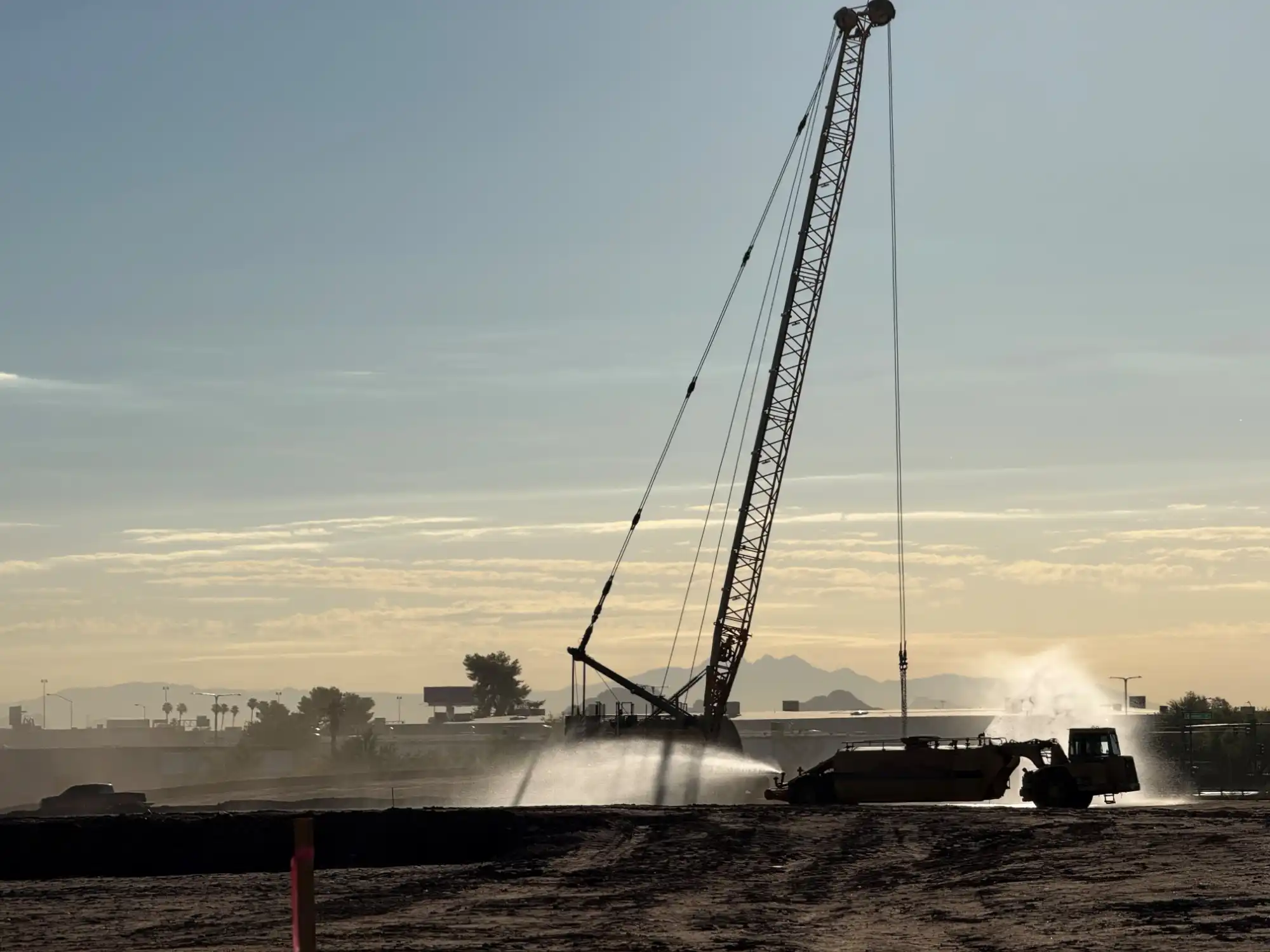
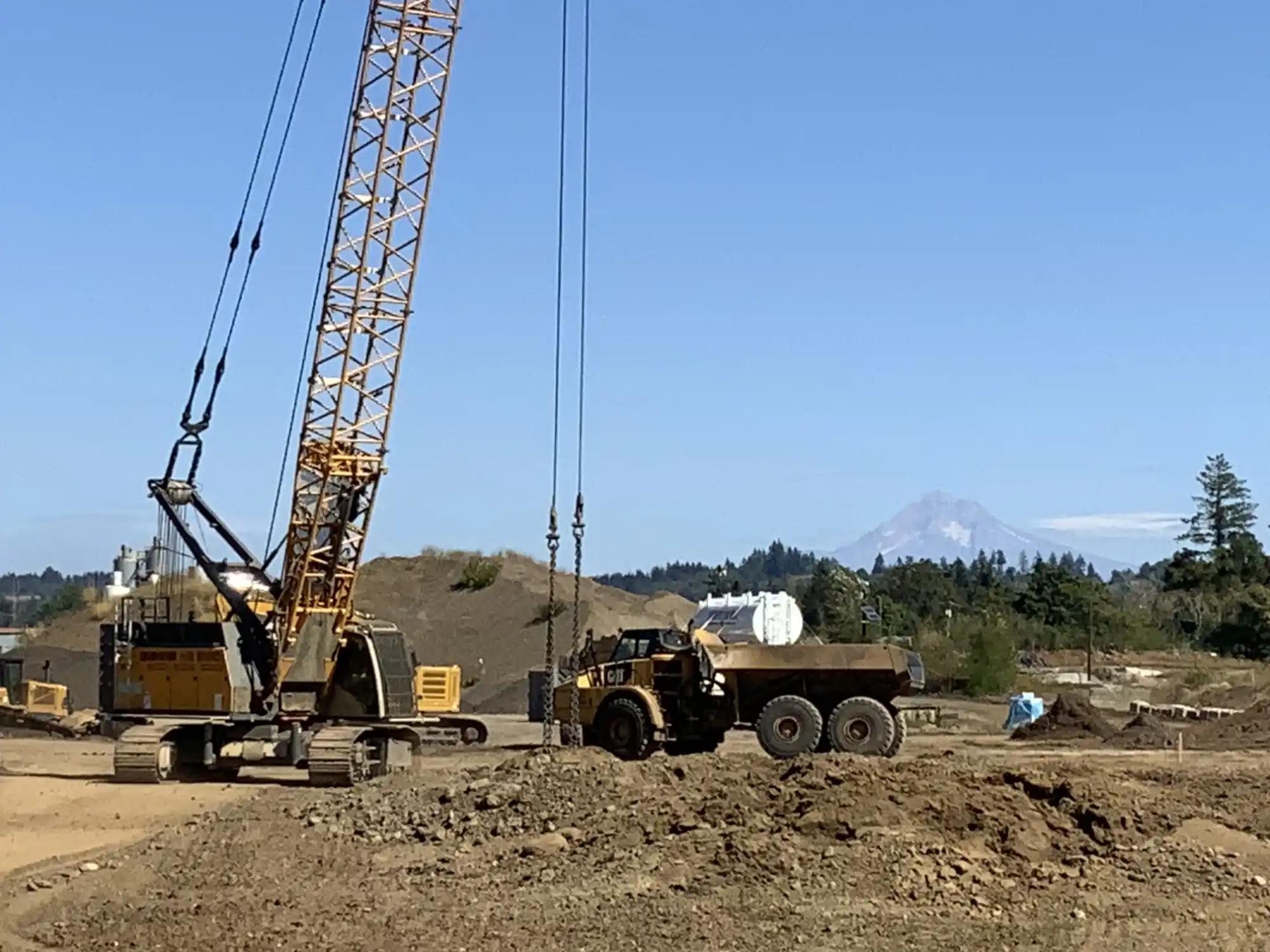
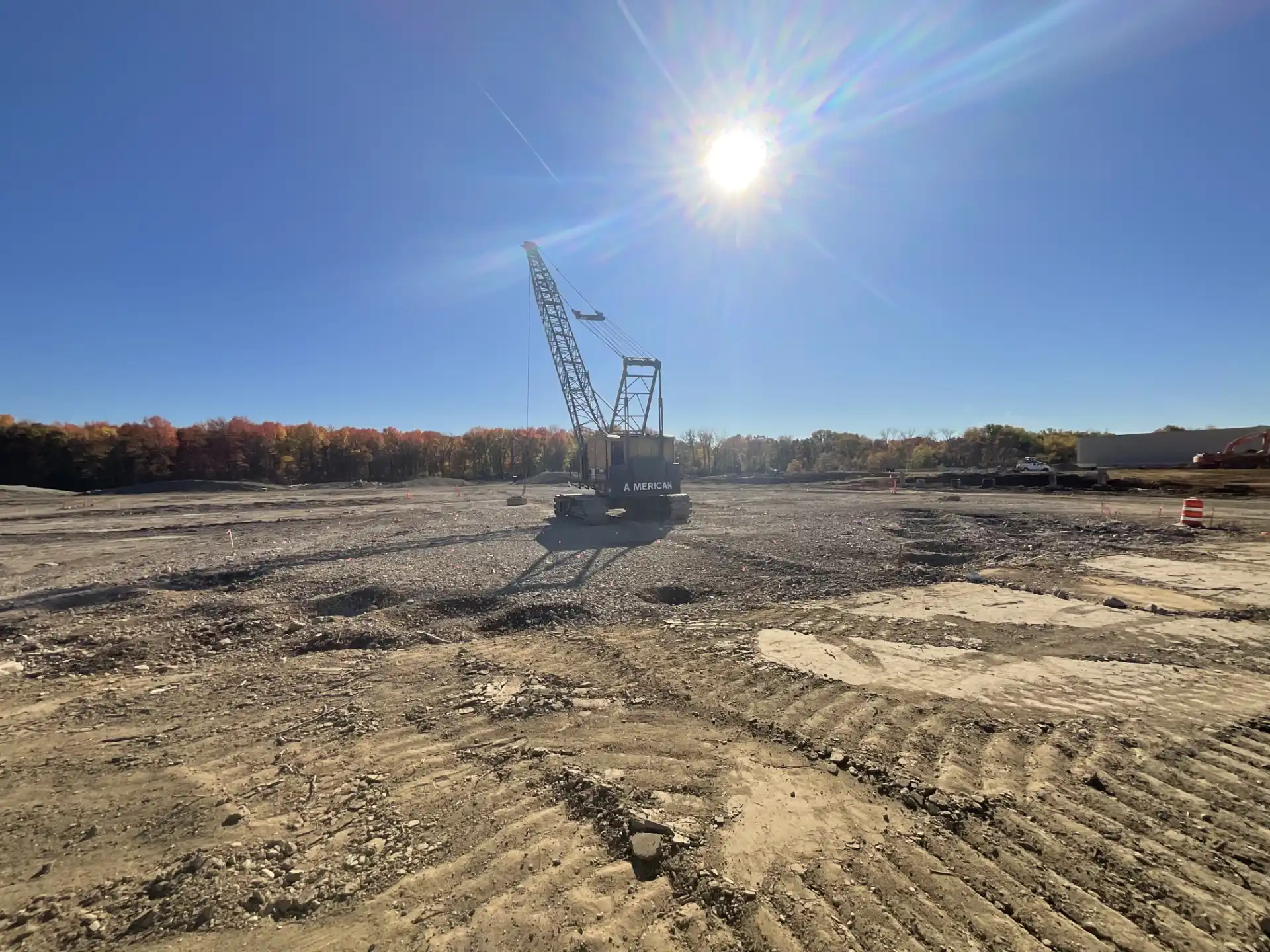
The process uses a purpose-built crane to lift a heavy steel tamper to a defined drop height and release it in a controlled pattern across the treatment grid. Each drop imparts a calculated energy to the ground, and the process is repeated in multiple passes with defined grid spacing and energy levels.
Energy levels, grid spacing, and number of passes are all calibrated to the soil profile, the treatment depth target, and the performance specification. Vibration monitoring during the work ensures that energy levels remain within acceptable limits for any adjacent structures or infrastructure.
Applicable Soil Types and Site Conditions
Dynamic compaction is most effective on granular soils: sands, gravels, silty sands, and non-plastic fills. It is particularly well-suited to sites with deep fills, demolition rubble, or heterogeneous fill material that other methods struggle to treat cost-effectively. Large open sites with adequate overhead clearance and working room are ideal.
It is generally not applicable to soft cohesive soils, which lack the drainage capacity to dissipate excess pore pressures generated by the impacts. In those conditions, other methods are more appropriate.
Why It Remains One of the Most Cost-Effective Methods
Dynamic compaction requires no imported material beyond the tamper itself, no grout, no aggregate, and no permanent below-grade elements. Treatment is rapid across large areas, and the process lends itself well to turnkey delivery where a single contractor manages the full scope from design input through verification testing. For the right soil conditions, few methods match its combination of speed, depth of treatment, and cost efficiency.
You can learn more about our specific dynamic compaction capabilities and how we approach project scoping and execution.
What to Look for in a Ground Improvement Contractor
The contractor you choose is as important as the method you specify. Ground improvement techniques, particularly specialized ones like dynamic compaction, require specific equipment, experience, and in-house technical capability.
Experience, Equipment Fleet, and Certifications
Look for contractors with a documented portfolio of completed projects across the soil types and site conditions relevant to your project. A proprietary equipment fleet is a strong indicator of depth of commitment to the discipline. Contractors who rent equipment or subcontract execution to others introduce risk into the scope that purpose-built operators do not.
Ask specifically about the depth of treatment achieved on comparable projects, the testing protocols used, and how results compared to specification targets.
Turnkey Capabilities vs. Specialist-Only Firms
A contractor who can manage the full scope from geotechnical review and method design through execution and post-improvement verification testing reduces the coordination overhead for the project team and provides clearer accountability for results. Turnkey ground improvement capabilities are a significant advantage on complex projects where multiple work streams must be integrated.
We have been delivering dynamic compaction and ground improvement scopes across North America since 1993. That body of work spans a wide range of soil profiles, site conditions, and project types, from domestic industrial and infrastructure sites to international projects on multiple continents.
If you are evaluating methods or contractors for an upcoming project, we are happy to discuss the specifics. Reach out to our team at info@densification.com and let us know what you are working with.
Frequently Asked Questions
What is the most commonly used ground improvement method?
Dynamic compaction, stone columns, and rigid inclusions are among the most widely used ground improvement methods in North American construction. The right choice depends on the soil profile, load requirements, and site constraints. For granular soils and large open sites, dynamic compaction is frequently the most cost-effective option.
How do I know which ground improvement technique is right for my project?
Method selection begins with a thorough geotechnical investigation to define the soil profile, problematic layers, and depth of treatment required. From there, the performance target, timeline, budget, and site access constraints narrow the field. A specialist contractor with experience across multiple methods can help you evaluate the trade-offs.
What is the difference between ground improvement and deep foundations?
Deep foundations, such as driven piles or drilled shafts, transfer structural loads through weak soil to a competent bearing layer below. Ground improvement methods treat the weak soil itself to bring it up to a required performance level. Ground improvement is often more economical when the problematic soil layer is not extremely deep and when the load profile does not require the precision of a structural foundation system.
How deep can ground improvement methods treat?
Treatment depth varies by method. Dynamic compaction can reach depths of 10 metres or more depending on energy levels and soil conditions. Rigid inclusions can extend to 20 to 30 metres. Stone columns typically treat to 10 to 15 metres. Wick drains can reach depths of 30 metres or more. The right method for your project depends on the depth and thickness of the problematic layer.
What testing is required after ground improvement?
Post-improvement testing requirements depend on the method and the performance specification. Common tests include CPT, SPT, plate load tests, and dynamic load tests for densification methods, and settlement monitoring and piezometry for consolidation-based approaches. Testing should be specified in advance and tied to the performance criteria the treatment is designed to achieve.