What to Look for in a Fleet Equipment Corporation
When choosing a fleet equipment corporation for large-scale ground improvement projects, look for company-owned equipment, proven safety systems, 100+ completed projects, and coverage in your location. These four factors separate real ground improvement experts from general contractors.
Why does this matter? The wrong choice costs you money and time.
Recent data shows concerning trends. Projects using contractors without dedicated ground improvement equipment have:
- 32% longer timelines
- 41% higher costs
- 3x more safety problems
Professional fleet equipment corporations complete 95% of projects on time.
Since 1993, Densification, Inc. has finished over 1,000 ground improvement projects across North America. We know what works. This guide shows you what to look for.
Check Equipment Ownership First
Why This Matters
Ask any fleet equipment corporation: “Do you own your equipment?”
This simple question reveals everything.
Companies that own ground improvement equipment:
- Keep equipment in better condition
- Know equipment history
- Have backup equipment ready
- Fix problems faster
- Cost less overall
Companies that rent equipment:
- Pass rental costs to you
- Wait for equipment availability
- Learn new equipment on your project
- Have no backup if equipment breaks
- Take longer to start work
Real Cost Example
Here’s a 30-acre project needing 8,000 impacts:
Company Owning Equipment:
- Timeline: 8-10 days
- Total cost: $180,000
Company Renting Equipment:
- Timeline: 14-18 days
- Total cost: $275,000
That’s 53% more expensive.
Questions to Ask
- Do you own your dynamic compaction equipment?
- How many complete equipment sets do you have?
- How old is your equipment?
- Do you have backup equipment?
- How fast can you start work?
Good answers mean a serious company.
Look for Specialized Equipment
Standard Equipment Doesn’t Work
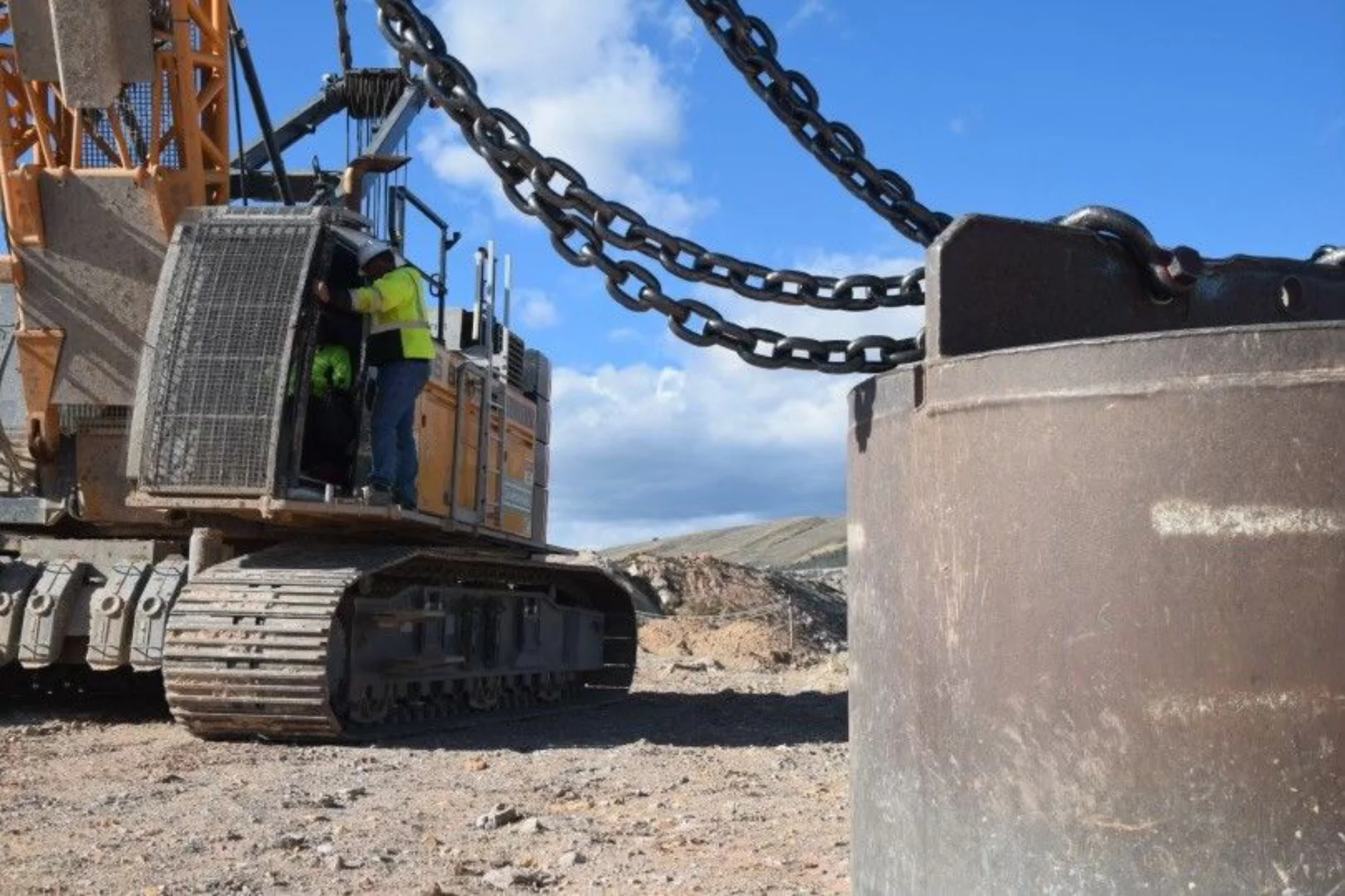
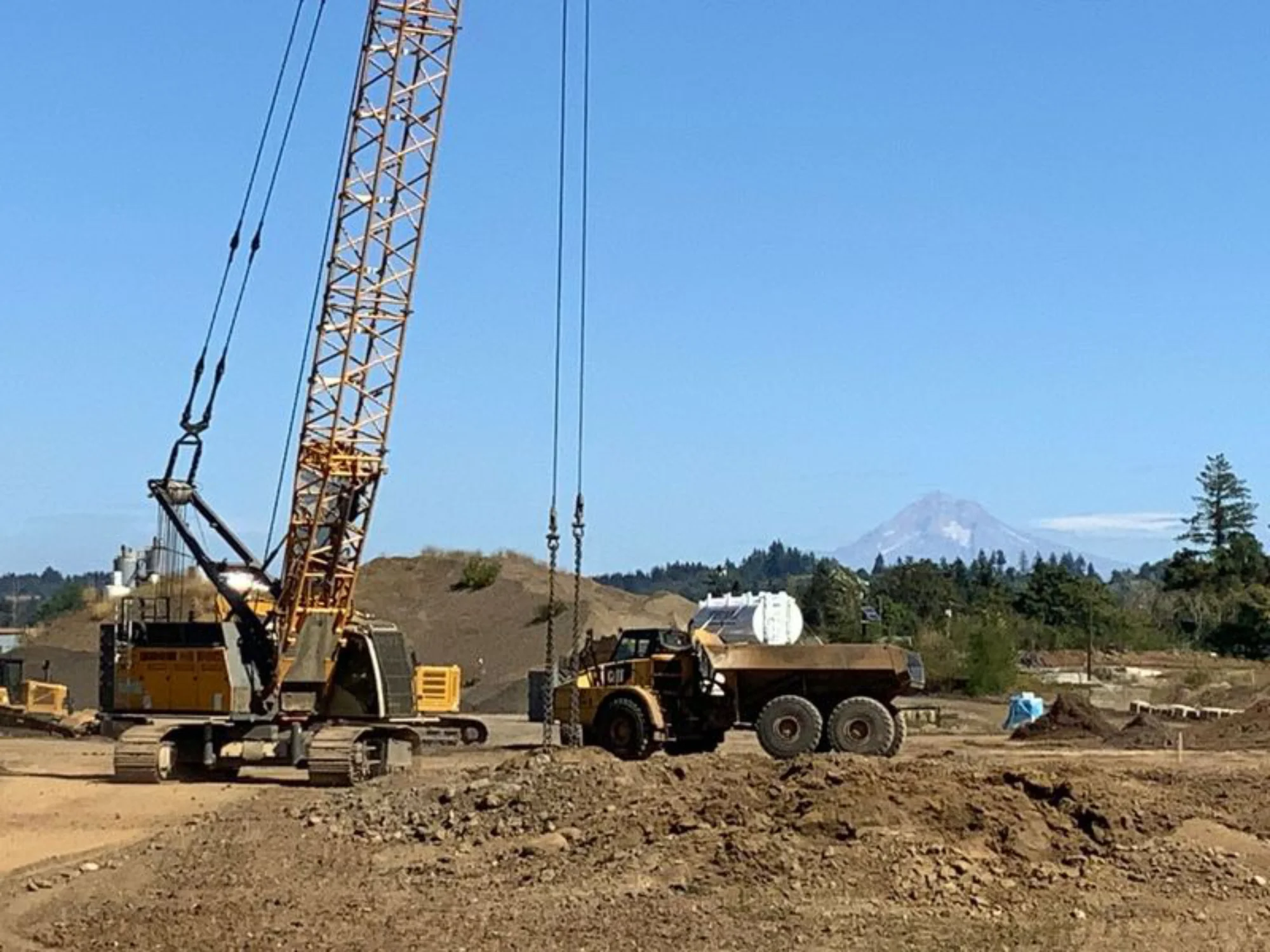
Regular construction cranes can’t do dynamic compaction. The work breaks them.
Look for these in a fleet equipment corporation:
Specialized Cranes:
- 150-300 ton capacity
- Extra-strong boom design
- Safe drop systems
- Better stability controls
Multiple Weight Options:
- 10-40 ton pounders
- Different shapes for different soils
- Built-in sensors
- Custom configurations
Support Equipment:
- Heavy bulldozers
- Water trucks
- Pumps for wet sites
Check the Investment
Real ground improvement equipment costs $3-8 million.
Ask to see their equipment. Visit their yard. Look at inspection reports.
Serious companies have visible, well-kept equipment.
Warning Signs
Watch out for:
- ⚠️ Unclear equipment descriptions
- ⚠️ No specific crane models listed
- ⚠️ Plans to rent equipment
- ⚠️ No backup equipment mentioned
- ⚠️ Old or damaged equipment in photos
Verify Safety Systems
Vibration Monitoring Required
Every good fleet equipment corporation monitors vibrations.
Look for:
- 6-12 monitoring devices for large projects
- Real-time data systems
- Company-owned monitors
- Current calibration records
Safety Protocols:
- Written safety plans
- Clear vibration limits
- Automatic alerts for operators
- 24/7 monitoring during work
Check Safety Records
Ask for these numbers:
- TRIR (incident rate)
- DART (days away from work)
- EMR (safety rating)
- Last safety incident date
Good benchmarks:
- Ground improvement pros: 0.5-1.5 TRIR
- General construction: 2.5-3.5 TRIR
Better safety means lower costs for you.
Operator Training
Verify operator credentials:
- NCCCO crane certification
- Special dynamic compaction training
- Years of experience
- Ongoing education
Professional companies invest in training. They should share this proudly.
Evaluate Experience and Coverage
Location Experience Matters
Your fleet equipment corporation needs experience in your area.
Different regions need different approaches:
Cold climates:
- Heated equipment
- Winter access planning
- Frozen ground methods
Coastal areas:
- Marine transport ability
- Rust-resistant equipment
- Storm planning
Urban sites:
- Noise control
- Tight space experience
- Building protection skills
Remote sites:
- Self-sufficient operations
- Long-distance logistics
- Local permits knowledge
The 100-Project Rule
Find companies with 100+ completed projects. Even better: 500-1,000+ projects.
More experience means:
- They’ve seen all soil types
- They’ve solved all the problems
- They have proven methods
- They know what works
Ask for project lists. Get recent references. Check their claims.
Key Questions
- How many projects in our region?
- Have you worked with similar soils?
- Can you provide three recent references?
- What’s your largest project?
- What percent finish on time?
Confirm Documentation Standards
What You Should Get
Professional ground improvement needs complete records.
During work:
- Vibration monitoring records
- Equipment inspection reports
- Progress photos
- Weather notes
After completion:
- Final documentation
- All monitoring data
- Test results
- Engineer reports
- Equipment certificates
Technology Use
Modern companies use technology:
- Automatic data collection
- Online project access
- Real-time updates
- Digital documents
Companies using only paper are behind.
Check Financial Stability
Insurance Requirements
Your fleet equipment corporation needs full insurance:
Required coverage:
- General liability: $5-10 million
- Equipment insurance: Full value
- Workers compensation: Required by law
- Professional liability: $2-5 million
Request insurance certificates. Check they’re current. Make sure your project is named.
Financial Health
Check these factors:
- Years in business (10+ minimum)
- Bonding capacity
- Bank references
- Payment history
You need a stable partner for months-long projects.
Assess Communication
Before Contract Signing
The best fleet equipment corporations help early:
- Free site visits
- Budget estimates
- Schedule projections
- Risk assessments
This shows commitment to success.
During the Project
Ask about communication:
- Weekly meetings
- Daily updates
- 24/7 emergency contact
- Online project access
- Quick problem alerts
Good communication prevents surprises.
Conclusion
Choosing the right fleet equipment corporation for ground improvement projects means checking equipment ownership, specialized ground improvement equipment, safety records, location experience, documentation quality, and financial stability. Companies that own purpose-built dynamic compaction equipment and show proven track records deliver better results.
Don’t risk your project. Choose a fleet equipment corporation with:
- ✓ 100+ completed projects
- ✓ Company-owned equipment
- ✓ Strong safety record
- ✓ Local experience
- ✓ Full insurance
Have questions about selecting the right contractor for your ground improvement project? Contact Densification, Inc. to learn more. With 30+ years of experience and 1,000+ completed projects across North America, we understand what makes ground improvement projects successful.