Ground Improvement Techniques for Urban Construction Near Existing Structures
Introduction
Urban development brings unique engineering challenges. Space is limited, nearby buildings are sensitive to vibration, and soil conditions can change dramatically from one block to another. Traditional foundation methods often struggle in these environments, making it necessary to use specialized solutions that strengthen the ground while keeping nearby structures safe.
That is where advanced ground improvement techniques come in. At Densification, Inc., we have extensive experience in urban construction projects across North America. We know that precision, planning, and choosing the right method are essential for successful results near existing buildings.
This article explains several proven ground improvement methods for urban projects and how they protect structures while improving long-term performance.
1. The Importance of Ground Improvement in Urban Environments
Urban construction sites are rarely ideal. They often involve soft or loose soils, variable fill materials, and strict limits on vibration and noise. Without the right soil treatment, these conditions can cause excessive settlement, reduced bearing capacity, or long-term structural instability.
Ground improvement modifies soil properties in place to increase density, strength, and stiffness. In city environments, it is also critical to minimize disruption to neighboring structures and underground utilities.
The main goals of ground improvement in urban areas include:
- Increasing load-bearing capacity for new foundations
- Controlling total and differential settlement
- Mitigating risks from liquefaction or lateral spreading
- Reducing construction time compared to deep foundations
- Ensuring compatibility with adjacent buildings and infrastructure
By selecting the right technique, engineers can design foundations that are both safe and efficient, even in difficult site conditions.
2. Dynamic Compaction for Deep Soil Densification
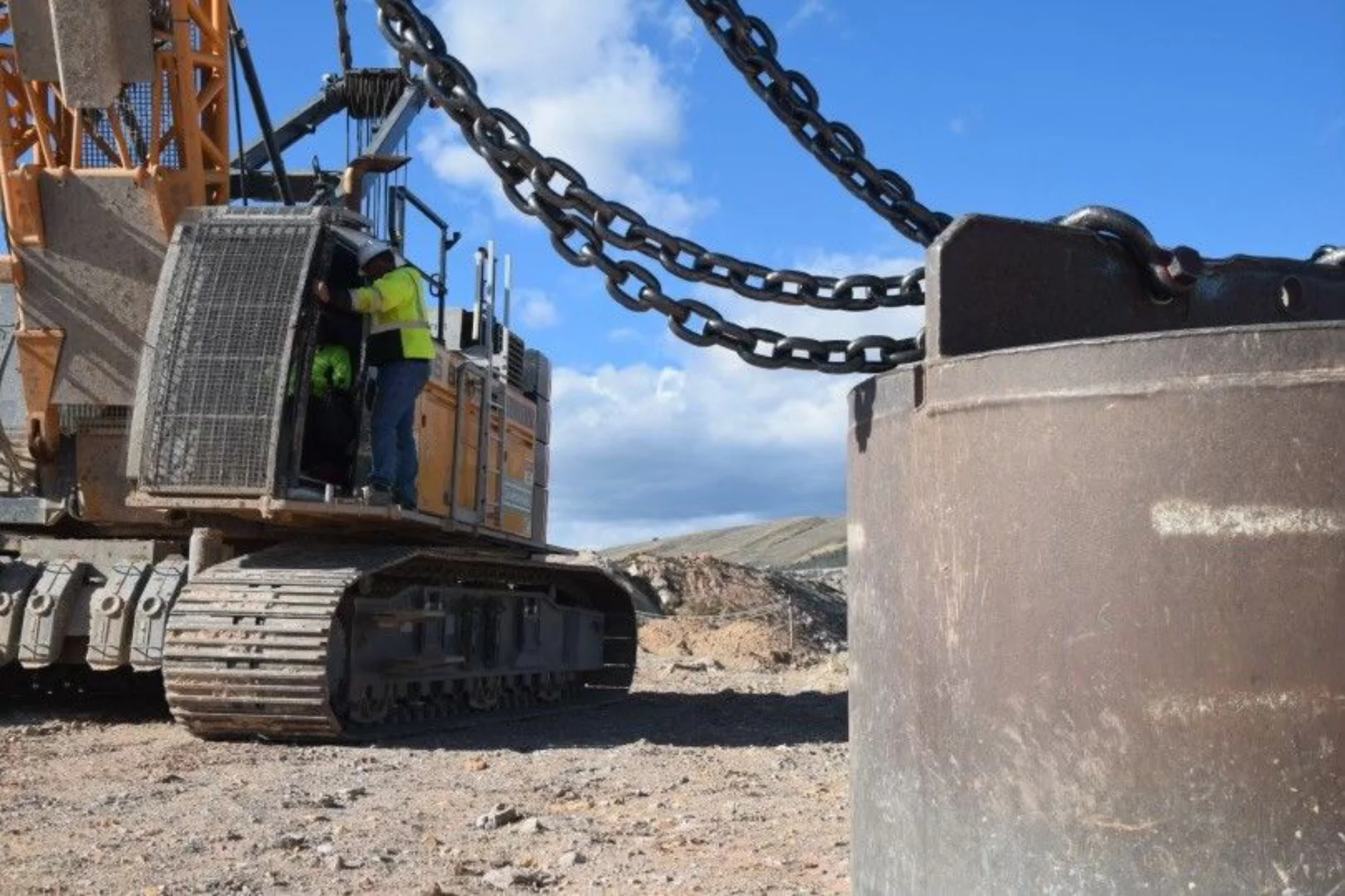
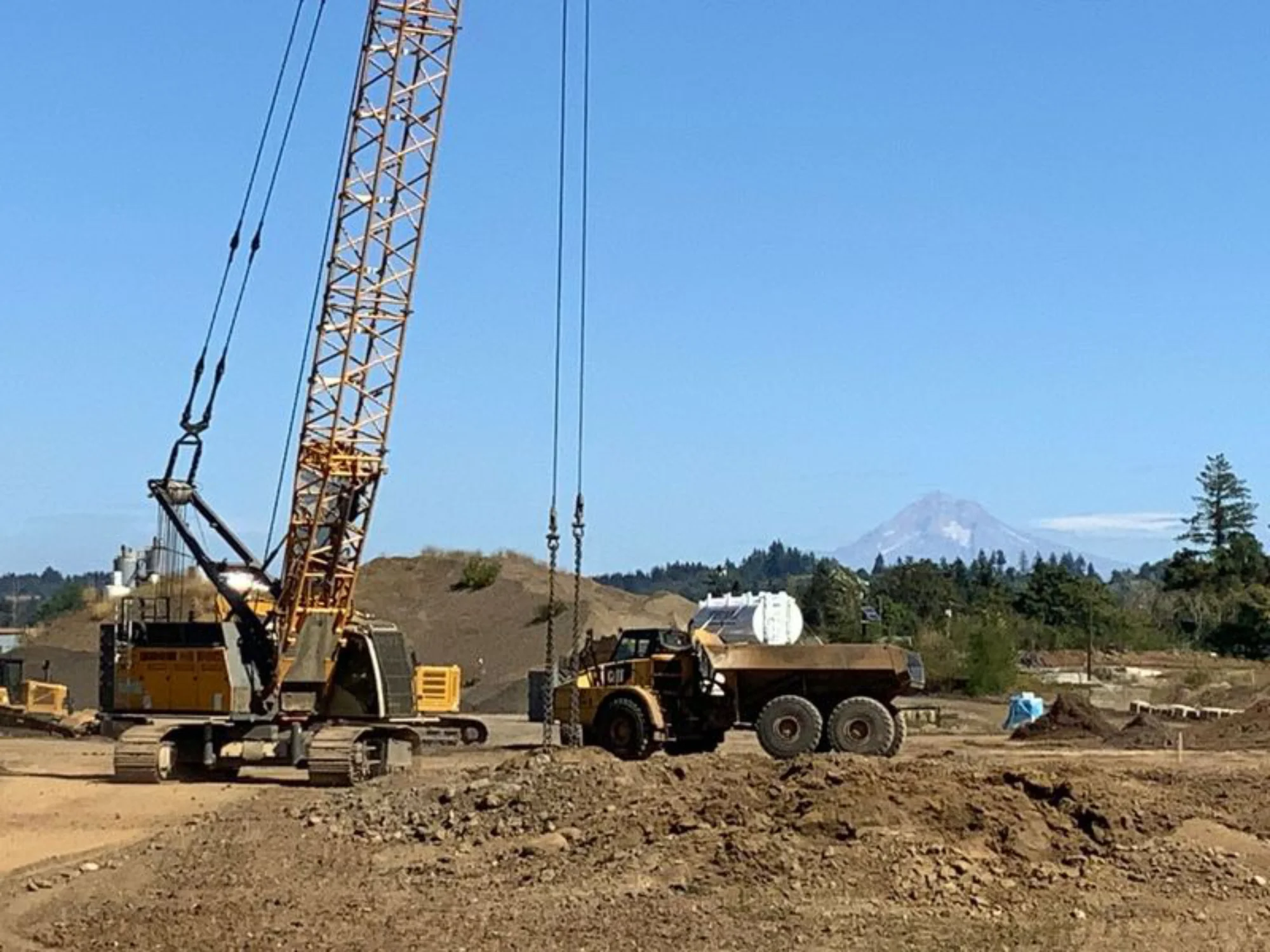
Dynamic compaction is one of the most effective and economical methods for improving loose granular soils at depth. It involves dropping a heavy weight, typically between 10 and 30 tons, from a controlled height to compact the soil and increase its density.
At Densification, Inc., our engineers have refined this process to work safely near existing structures. Through precision monitoring and controlled energy application, we reduce vibration transfer and protect nearby foundations.
Key benefits of dynamic compaction include:
- Major improvement in deep, loose fills and granular soils
- Fast treatment of large areas
- Cost savings compared to piling or grouting
- Long-term settlement control and improved bearing capacity
With proper engineering controls, dynamic compaction offers a sustainable, cost-effective alternative to more invasive foundation systems used in urban redevelopment and infrastructure projects.
3. Vibro Compaction and Replacement for Sensitive Urban Sites
In areas where vibration control is critical, such as near historic buildings, tunnels, or retaining walls, vibro techniques offer a more precise solution for soil improvement.
- Vibro Compaction densifies granular soils using a vibratory probe, ideal for materials like sands and gravels.
- Vibro Replacement (Stone Columns) installs compacted aggregate columns that reinforce weak soils, improving load capacity and drainage.
These methods are flexible and work well in tight city environments. When executed with precision, vibro techniques enhance soil strength while minimizing vibration, making them a reliable choice for urban development and infrastructure expansion.
4. Grouting Techniques for Precision and Stability
When construction takes place next to existing foundations or underground utilities, grouting is one of the best tools for local soil strengthening.
Common grouting methods include:
- Compaction grouting: Densifies loose soils by injecting a stiff grout mixture under controlled pressure.
- Permeation grouting: Fills voids and stabilizes granular soils without moving the ground.
- Jet grouting: Uses high-pressure jets to mix and solidify in-situ soils into cemented columns.
Grouting allows engineers to target problem zones precisely, strengthening the soil without disturbing nearby structures. It is commonly used for foundation underpinning, tunneling, and excavation support in urban construction projects.
5. Soil Mixing and Sustainable Alternatives
Soil mixing combines existing soils with cementitious binders to increase strength and reduce compressibility. This method is especially useful for cohesive or fine-grained soils, such as clays and silts, which do not respond well to vibration or impact-based techniques.
As sustainability becomes a higher priority, soil mixing provides an environmentally responsible alternative. It improves the ground in place, reducing the need for excavation and imported materials. At Densification, Inc., our engineers apply modern soil mixing technologies that balance performance, cost, and environmental responsibility across diverse site conditions.
6. Monitoring, Safety, and Performance Verification
Urban projects require precision and accountability. Continuous monitoring ensures that ground improvement techniques meet design expectations and protect nearby buildings.
At Densification, Inc., we use:
- Vibration monitoring to safeguard nearby structures and utilities
- Field testing and quality assurance to verify soil performance
- Instrumentation and settlement surveys to track results over time
Our focus on safety and engineering precision allows us to handle complex projects confidently, even in densely built-up urban settings.
Conclusion
Urban construction near existing structures requires expertise, innovation, and a deep understanding of soil behavior. By combining experience with technology, Densification, Inc. provides tailored ground improvement techniques that strengthen the soil and protect surrounding assets.
From dynamic compaction to grouting and soil mixing, every project we complete is built on precision, transparency, and long-term performance.
To learn how our team can support your next urban development or infrastructure project, visit densification.com/contact/ or reach out to discuss your site challenges with an experienced engineer.