Cost vs. Performance: Evaluating Deep Dynamic Compaction for Large-Scale Sites
Deep Dynamic Compaction is a cost-effective way to improve the ground for large sites. It provides big performance gains at a lower cost than many other options. This blog looks at how DDC compares in cost, performance, risk reduction, and long-term value. This helps engineers, contractors, and project owners make smart choices when picking a ground improvement strategy.
Understanding the True Cost of Deep Dynamic Compaction
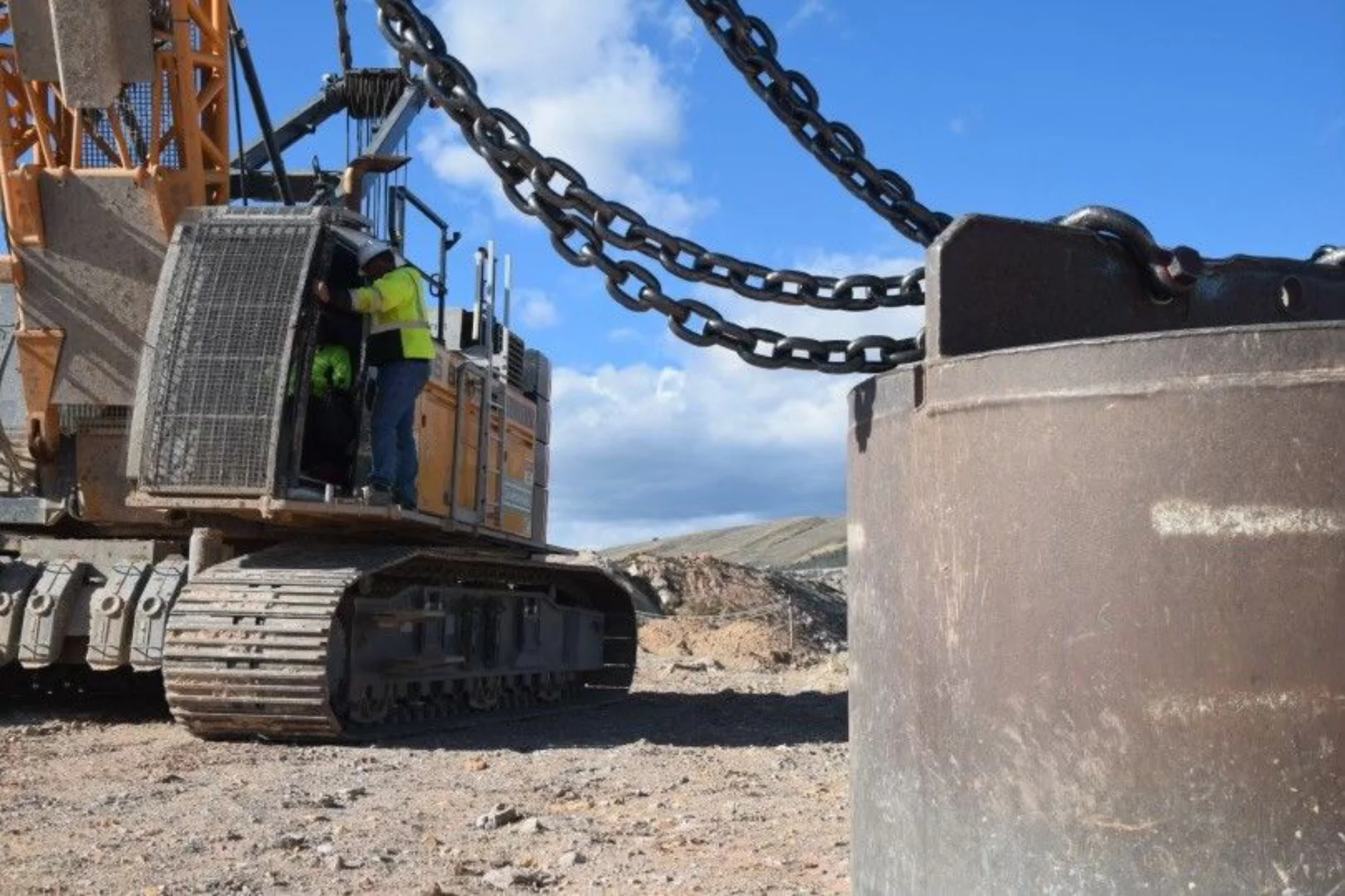
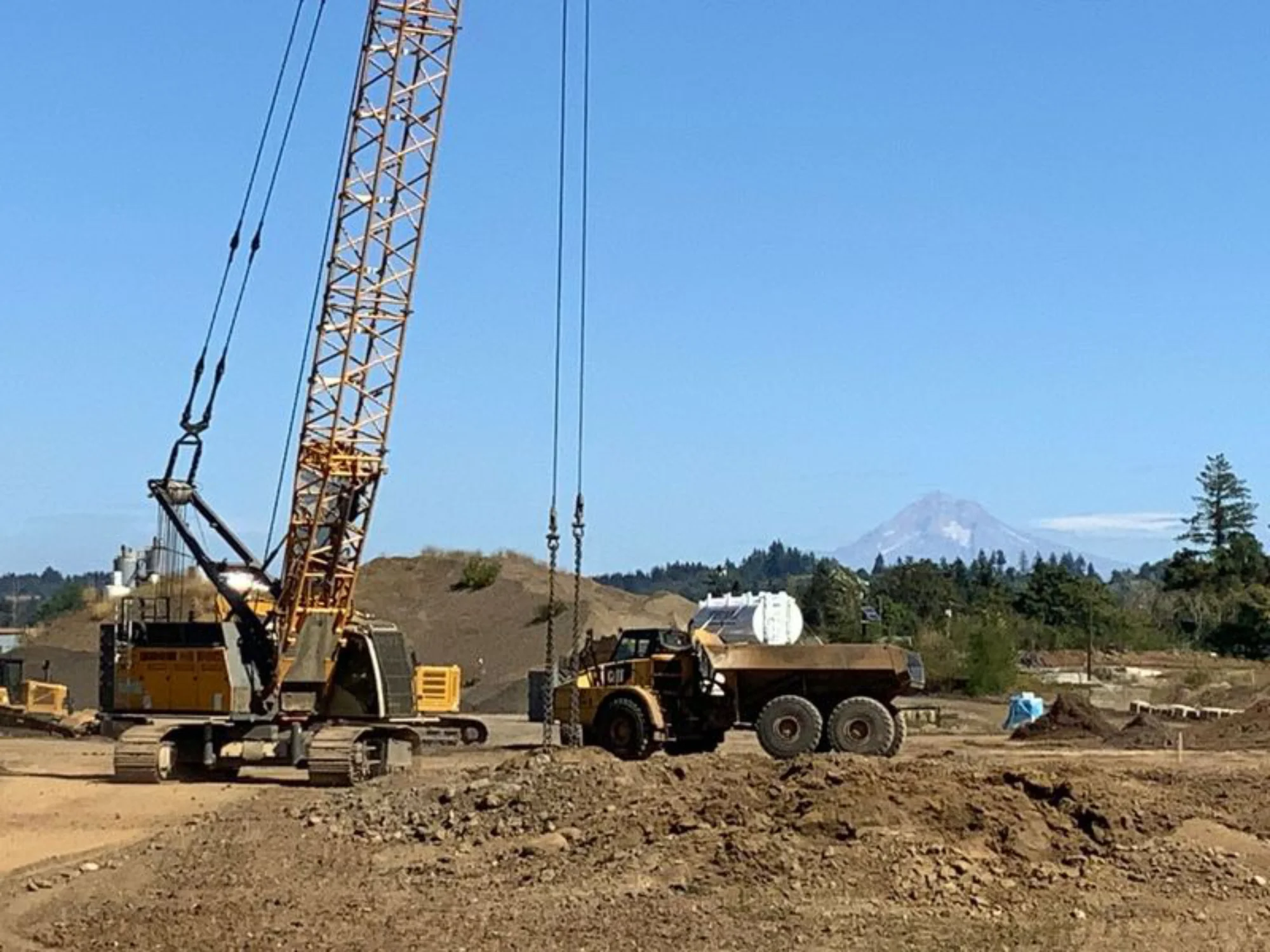
Deep Dynamic Compaction makes soil denser. It does this by dropping heavy weights from specific heights. This process helps compact loose granular soils deep underground. The initial cost is appealing, but the financial benefits go beyond just the project proposal pricing.
Key cost factors include
- Mobilization of specialized cranes and weights
- Number of passes required based on soil conditions
- Site size and production rate efficiencies
- Necessary ground improvements like grading or temporary working pads
Because Densification can often complete several thousand square feet of treatment per day, the cost per square foot is significantly lower than slower or more complex alternatives.
Performance Benefits That Increase Total Project Value
Deep Dynamic Compaction provides substantial performance improvements for large-scale developments, especially those with loose, granular, or uncontrolled fill soils.
DDC performance advantages
- Increased bearing capacity for heavy structures
- Significant reduction of total and differential settlement
- Improved liquefaction resistance for seismic zones
- High uniformity and repeatability across large footprints
For many project owners, performance is not just technical. It directly impacts long-term financial outcomes, including reduced maintenance, lower foundation costs, and minimized risk of structural remediation.
Deep Dynamic Compaction vs. Alternative Ground Improvement Methods
When choosing a ground improvement technique, engineers must weigh cost, soil suitability, constructability, and long-term reliability.
DDC compared to common alternatives
1. Vibro Replacement or Stone Columns
- Higher cost per square foot
- Effective in soft cohesive soils but slower over very large areas
- Requires specialized backfill and continuous verification
2. Rammed Aggregate Piers
- Performance is strong but often priced at a premium
- Time-intensive due to the installation of individual piers
- Better suited to smaller footprints
3. Grouting Techniques
- Among the most expensive ground improvement methods
- Necessary only when addressing voids or karst conditions
- Requires extensive testing and engineering oversight
Where DDC often wins
- Superior efficiency on large tracts
- Low material demand because the soil itself is densified
- Reduced schedule risk due to predictable production rates
For massive developments like industrial parks, warehouses, data centers, port facilities, and transportation infrastructure, the cost-to-performance ratio of DDC is hard to match.
Risk Reduction and Quality Assurance
Cost and performance also tie directly to how well DDC reduces geotechnical risk. Densification’s approach incorporates precision engineering, real-time monitoring, and proven methodologies that have been refined across more than 1,000 projects.
DQC (Densification Quality Control) measures
- Pre and post-compaction testing
- Cone penetration tests
- Settlement monitoring
- Field verification of drop energy and grid spacing
These controls ensure performance often exceeds predicted outcomes, which adds substantial long-term value for project owners and investors.
Evaluating Project Schedules and Production Efficiency
Project schedules play a major role in determining overall value, and Deep Dynamic Compaction is often selected because of its efficient production rates. With the ability to treat large surface areas in a short period of time, DDC minimizes schedule disruptions and supports fast-track construction timelines. This increased efficiency can reduce general conditions costs and shorten the time between ground improvement and vertical construction. For project owners, an accelerated schedule directly translates into financial savings and faster revenue generation, especially for commercial or industrial developments.
Environmental and Sustainability Considerations
When evaluating cost versus performance, sustainability is another important factor. Deep Dynamic Compaction is considered one of the most environmentally responsible ground improvement methods because it requires minimal imported materials and uses the existing soil as the engineered solution. The reduction in trucking, quarrying, and material disposal helps lower the overall carbon footprint of large-scale developments. For public agencies or private owners pursuing environmental certifications or sustainability goals, DDC provides strong performance without compromising environmental responsibility.
Long-Term Maintenance and Lifecycle Cost Advantages
The long-term financial benefits of Deep Dynamic Compaction extend beyond construction. By reducing settlement risks and improving soil uniformity, DDC decreases the likelihood of future repairs, slab replacements, pavement failures, or operational downtime. These lifecycle cost savings can be significant for facilities with heavy loads such as warehouses, logistics centers, data centers, and industrial plants. Choosing a high-performance ground improvement method at the beginning of the project protects the owner’s investment for decades and lowers the total cost of ownership.
Collaborative Engineering for Optimized Outcomes
Cost and performance are also influenced by how well the contractor collaborates with engineers and geotechnical consultants. Densification works closely with engineering teams to refine treatment depth, grid spacing, and energy application to ensure that DDC is precisely tailored to the site conditions. This collaborative approach avoids unnecessary overtreatment and prevents underdesign, both of which can increase cost and risk. Through careful analysis and ongoing communication, Densification delivers solutions that balance performance requirements with budget expectations.
Real-World Project Examples Demonstrating Cost Efficiency
Case studies across North America demonstrate how Deep Dynamic Compaction has delivered measurable performance improvements at a competitive cost. On large industrial distribution sites, DDC has been shown to reduce foundation costs by improving bearing capacity and minimizing the need for deep foundations. At port and transportation facilities, the method has helped reduce liquefaction risk while staying within tight budgets. These real-world results reinforce the value of DDC for developers and engineers seeking reliable, high-performance soil improvement without escalating costs.
When Deep Dynamic Compaction Is the Best Fit
DDC is not a universal solution, but when the soil profile is suitable, it offers one of the strongest returns on investment.
Ideal conditions include
- Loose granular soils
- Large site footprints
- Thick uncontrolled fills
- Projects requiring rapid treatment
- Heavy structural loading
Examples of successful applications
- Distribution centers
- Manufacturing facilities
- Airport taxiways
- Port terminals
- Utility-scale energy installations
DDC becomes even more cost-effective as the site size increases because production rates scale efficiently.
Conclusion
Deep Dynamic Compaction delivers one of the best cost-to-performance ratios in the ground improvement industry. For large-scale sites with suitable soil conditions, it reduces geotechnical risk, improves bearing capacity, and lowers long-term maintenance and foundation costs. With more than three decades of experience, Densification provides turnkey DDC solutions that help engineers, contractors, and project owners achieve dependable results across North America.